
Your MRI said “Degenerative Disc Disease”… but the pain started yesterday? 🤔
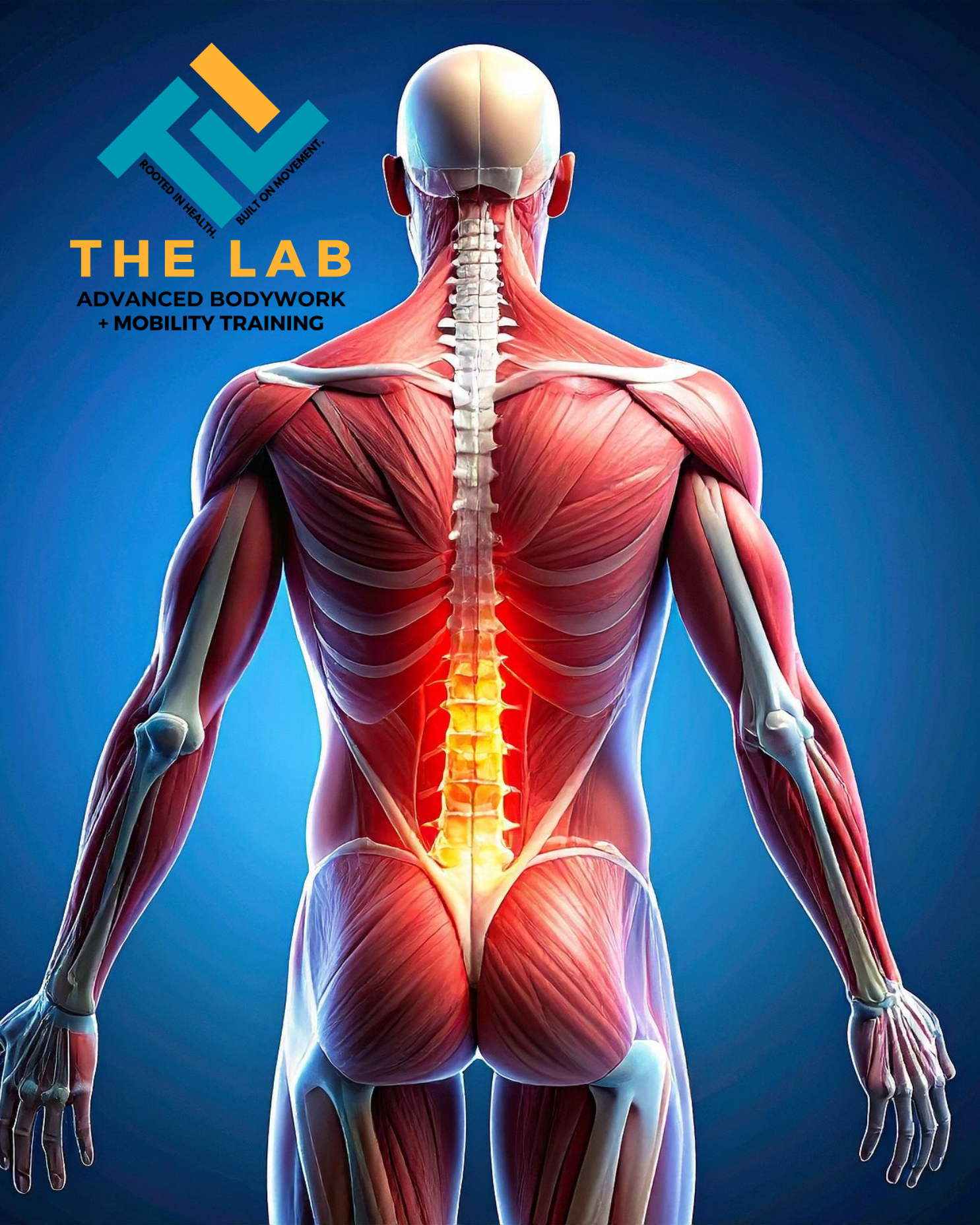
Even if your pain came on suddenly, your “degeneration” definitely didn’t.
If you’ve ever been doubled over with sudden back pain, only to have an MRI report come back with the scary-sounding label “Degenerative Disc Disease” (DDD), I’m truly sorry. Back pain is exhausting, and getting a diagnosis that sounds like your spine is dissolving certainly doesn't help the stress levels.
But an important fact to remember is this:
Even if your pain came on suddenly, your “degeneration” definitely didn’t.
Degenerative changes happen slowly over decades, like gray hair or wrinkles (but on the inside!). They don’t happen overnight. So, if you felt fine on Tuesday and were in agony by Wednesday, your spine didn’t “suddenly get worse.”
What actually happened?
Your system became inflamed and sensitive.
What “Degeneration” Really Means (In Plain English)
Let’s demystify the medical jargon. DDD is an incredibly common finding. In fact, studies show that a huge percentage of people with zero pain have "degenerative changes" on their MRIs.
In most cases, DDD is just background information, not a life sentence or a sign that you're "broken."
Tissue Changes are the Spark, Inflammation is the Volume Knob
Think of it like this: The structural changes in your spine are like a tiny spark. On its own, a spark doesn't do much. But inflammation is the volume knob.
When inflammation is cranked up, your body’s pain sensors become hyper-reactive. Suddenly, normal things—like bending over, sitting at your desk, or even just rolling over in bed—feel like a major crisis.
Then, your nervous system does what it was programmed to do: It protects you.
That "protection" usually looks like:
Tightness and guarding: Your muscles lock down like a vault.
Reduced range of motion: Your body says, "Nope, we aren't going there."
Weakness: Your brain "shuts down" your strength to keep you from doing more "damage."
Scary Stiffness: Movement starts to feel dangerous.
The Takeaway
If you’ve been told you have DDD, please breathe. It does not mean you are fragile, that you're "breaking down," or that you'll always hurt.
What it usually means is: Your spine has some common wear-and-tear (standard "vintage" equipment), and you are currently experiencing a sensitivity flare.
Our job isn't to "fix" the grays on your spine; it's to calm the flare, help your nervous system feel safe again, and then rebuild your strength and confidence.
Bottom Line: DDD is the background noise. The flare is the foreground music. I can help turn the volume down on the music and get you back to moving freely!
This is exactly what RAPID NeuroFascial Reset (NFR) does best!